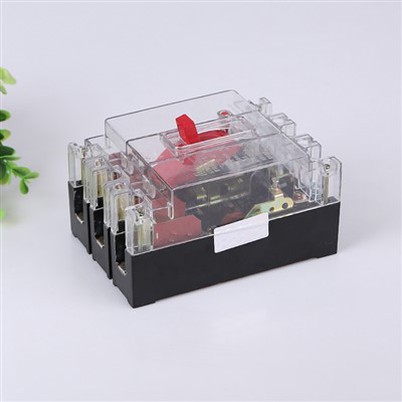

How do the materials affect the performance of a PV Molded Case Circuit Breaker?
Leave a message

Hey there! As a supplier of PV Molded Case Circuit Breakers, I've seen firsthand how the materials used in these devices can have a huge impact on their performance. In this blog post, I'm gonna break down how different materials affect the performance of a PV Molded Case Circuit Breaker.
Conductive Materials
One of the most critical components of a PV Molded Case Circuit Breaker is the conductive material. This material is responsible for carrying the electrical current and ensuring that the breaker can trip when necessary. The most common conductive materials used in circuit breakers are copper and aluminum.
Copper
Copper is a popular choice for conductive materials because it has excellent electrical conductivity. It can carry a large amount of current without overheating, which is crucial for the safe operation of the circuit breaker. Copper also has good mechanical properties, making it durable and resistant to wear and tear.
However, copper is relatively expensive compared to other materials. This can increase the cost of the circuit breaker, which may be a concern for some customers. But in many cases, the benefits of using copper outweigh the cost, especially in high - performance applications.
Aluminum
Aluminum is another option for conductive materials. It is much lighter and less expensive than copper. This makes it an attractive choice for applications where weight and cost are important factors.
But aluminum has lower electrical conductivity than copper. This means that it may need to be used in larger cross - sectional areas to carry the same amount of current as copper. Additionally, aluminum can form an oxide layer on its surface, which can increase the resistance and potentially lead to overheating.
Insulating Materials
Insulating materials are used to prevent the flow of electricity between different parts of the circuit breaker and to protect users from electrical shock. The choice of insulating material can significantly affect the performance and safety of the circuit breaker.
Epoxy Resin
Epoxy resin is a common insulating material used in PV Molded Case Circuit Breakers. It has excellent electrical insulation properties and can withstand high temperatures. Epoxy resin is also resistant to moisture and chemicals, which helps to protect the internal components of the circuit breaker.
One of the advantages of epoxy resin is that it can be molded into complex shapes, allowing for more compact and efficient circuit breaker designs. However, it can be brittle and may crack under certain conditions, such as mechanical stress or rapid temperature changes.
Ceramics
Ceramics are another type of insulating material. They have high dielectric strength and can withstand very high temperatures. Ceramics are also very stable chemically and are resistant to corrosion.
The main drawback of ceramics is that they are relatively brittle and can be difficult to manufacture into complex shapes. This can limit their use in some circuit breaker designs.
Contact Materials
The contact materials in a PV Molded Case Circuit Breaker are responsible for making and breaking the electrical connection. The performance of the contacts can have a significant impact on the overall performance of the circuit breaker.
Silver - Based Alloys
Silver - based alloys are commonly used as contact materials because silver has excellent electrical conductivity and low contact resistance. This helps to reduce the heat generated at the contacts and ensures reliable operation.
Silver - based alloys also have good resistance to welding and arcing, which are common problems in circuit breakers. However, silver is a relatively expensive metal, which can increase the cost of the circuit breaker.
Tungsten - Based Alloys
Tungsten - based alloys are another option for contact materials. Tungsten has a high melting point and is very resistant to arcing and erosion. This makes it suitable for high - current applications where the contacts are subject to a lot of stress.
However, tungsten - based alloys have higher contact resistance than silver - based alloys, which can lead to increased heat generation. This may require additional cooling measures to ensure the safe operation of the circuit breaker.
Impact on Performance
The choice of materials can have a significant impact on the performance of a PV Molded Case Circuit Breaker. Here are some of the key performance factors affected by the materials:
Current - Carrying Capacity
The conductive materials used in the circuit breaker determine its current - carrying capacity. As mentioned earlier, copper has higher electrical conductivity than aluminum, so a circuit breaker with copper conductors can carry more current without overheating.


Tripping Time
The contact materials and the overall design of the circuit breaker can affect the tripping time. High - quality contact materials with low resistance can reduce the time it takes for the breaker to trip when an overcurrent or short - circuit occurs.
Durability
The durability of the circuit breaker is also affected by the materials used. Materials that are resistant to wear, corrosion, and mechanical stress will ensure that the circuit breaker can operate reliably over a long period of time.
Conclusion
In conclusion, the materials used in a PV Molded Case Circuit Breaker play a crucial role in its performance. Whether it's the conductive materials, insulating materials, or contact materials, each choice has its own advantages and disadvantages. As a supplier, we always strive to use the best materials for our products to ensure high - performance and reliable operation.
If you're in the market for a PV Molded Case Circuit Breaker, you might want to check out some of these resources: Molded Case CB, Model Case Circuit Breaker, and General Electric Molded Case Circuit Breakers.
If you're interested in purchasing PV Molded Case Circuit Breakers, feel free to reach out to us for a detailed discussion. We're more than happy to assist you in finding the right product for your needs.
References
- Electrical Engineering Handbook, Third Edition
- Circuit Breaker Design and Application Guide