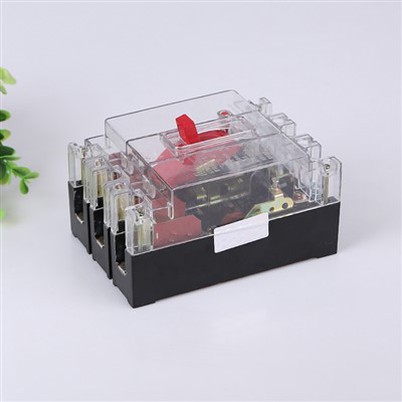

What are the common faults of a Moulded Case Breaker?
Leave a message

As a supplier of Moulded Case Breakers, I've had the privilege of closely observing these critical electrical components in action. Moulded Case Breakers (MCBs) are essential for protecting electrical circuits from overloads, short circuits, and other electrical faults. However, like any complex device, they are prone to certain common faults that can impact their performance and reliability. In this blog, I'll delve into the typical issues that Moulded Case Breakers may encounter, their causes, and how to address them.
1. Overheating
One of the most prevalent faults in Moulded Case Breakers is overheating. Overheating can occur due to several reasons, primarily related to excessive current flow or poor electrical connections.
Causes
- Overloading: When the electrical load exceeds the rated capacity of the breaker, it causes the internal components to heat up. This can happen if the breaker is installed in a circuit with too many high - power devices or if there is a sudden surge in power demand.
- Loose Connections: Loose terminals or connections can increase the resistance in the circuit. According to Ohm's law (V = IR), an increase in resistance leads to an increase in heat generation (P = I²R). Over time, this can cause the breaker to overheat and potentially fail.
- Ambient Temperature: High ambient temperatures can also contribute to overheating. If the breaker is installed in a poorly ventilated area or in an environment with high temperatures, it may not be able to dissipate heat effectively.
Effects
Overheating can cause the insulation of the breaker to degrade, leading to short circuits or even electrical fires. It can also reduce the lifespan of the breaker and cause premature tripping.
Solutions
- Load Management: Ensure that the breaker is properly sized for the electrical load. Conduct a load analysis before installing the breaker to determine the appropriate rating.
- Tighten Connections: Regularly inspect and tighten the terminals and connections of the breaker to reduce resistance.
- Improve Ventilation: Install the breaker in a well - ventilated area and consider using cooling devices if necessary.
2. Tripping Issues
Tripping is a normal function of a Moulded Case Breaker when it detects an overload or short circuit. However, false tripping or failure to trip can be significant problems.


Causes of False Tripping
- Sensitivity Settings: Incorrect sensitivity settings can cause the breaker to trip when there is no actual fault. For example, if the breaker is set too sensitive, it may trip due to minor fluctuations in the electrical current.
- Electrical Noise: Electrical noise from nearby equipment or power surges can trigger false trips. This is especially common in industrial environments with a lot of electrical equipment.
- Mechanical Issues: Faulty internal mechanisms, such as a stuck or misaligned trip mechanism, can also cause false tripping.
Causes of Failure to Trip
- Worn - Out Components: Over time, the internal components of the breaker, such as the contacts or the trip coil, can wear out. This can prevent the breaker from tripping when a fault occurs.
- Over - Calibration: If the breaker has been over - calibrated, it may not trip at the appropriate time. This can be due to improper adjustment during installation or maintenance.
Solutions
- Proper Calibration: Ensure that the breaker is calibrated correctly according to the manufacturer's specifications. This may involve adjusting the sensitivity settings and testing the breaker regularly.
- Noise Filtering: Use noise filters or surge protectors to reduce electrical noise and prevent false tripping.
- Regular Maintenance: Conduct regular maintenance on the breaker, including inspecting and replacing worn - out components.
3. Contact Problems
The contacts in a Moulded Case Breaker are crucial for conducting electrical current. Any problems with the contacts can lead to poor performance or failure of the breaker.
Causes
- Arcing: When the breaker trips, an arc is formed between the contacts. Over time, the arc can cause the contacts to erode and pit. This can increase the resistance between the contacts and lead to overheating.
- Contamination: Dust, dirt, and other contaminants can accumulate on the contacts, reducing their conductivity. This can also cause the contacts to stick together or fail to make proper contact.
- Mechanical Wear: Continuous opening and closing of the contacts can cause mechanical wear. This can lead to misalignment or deformation of the contacts, affecting their performance.
Effects
Contact problems can result in increased resistance, overheating, and even electrical arcing. In severe cases, it can cause the breaker to fail completely.
Solutions
- Contact Cleaning: Regularly clean the contacts to remove any contaminants. This can be done using a suitable cleaning agent and a soft brush.
- Contact Replacement: If the contacts are severely worn or damaged, they should be replaced. This should be done by a qualified technician.
- Arc Suppression: Use arc suppression devices to reduce the impact of arcing on the contacts.
4. Insulation Failure
Insulation is essential for preventing electrical leakage and ensuring the safe operation of the Moulded Case Breaker. Insulation failure can lead to serious safety hazards.
Causes
- Aging: Over time, the insulation material can degrade due to factors such as heat, moisture, and electrical stress. This can cause the insulation resistance to decrease, leading to electrical leakage.
- Moisture: High humidity or water ingress can damage the insulation. Moisture can cause the insulation to swell and lose its insulating properties.
- Mechanical Damage: Physical damage to the breaker, such as impact or vibration, can also cause insulation failure.
Effects
Insulation failure can result in electrical shocks, short circuits, and even fires. It can also cause the breaker to malfunction and trip unexpectedly.
Solutions
- Insulation Testing: Regularly test the insulation resistance of the breaker to detect any signs of degradation.
- Moisture Protection: Install the breaker in a dry environment and use moisture - proof enclosures if necessary.
- Damage Prevention: Take measures to prevent mechanical damage to the breaker, such as using proper mounting and handling techniques.
5. Faulty Auxiliary Contacts
Auxiliary contacts are used to control external devices or provide status signals. Faulty auxiliary contacts can cause problems with the operation of other equipment.
Causes
- Mechanical Wear: Similar to the main contacts, the auxiliary contacts can also experience mechanical wear due to repeated operation.
- Electrical Overload: Excessive current flowing through the auxiliary contacts can cause them to overheat and fail.
- Poor Wiring: Incorrect wiring or loose connections can lead to intermittent operation or failure of the auxiliary contacts.
Effects
Faulty auxiliary contacts can cause the external devices they control to malfunction or fail to operate. This can disrupt the normal operation of the electrical system.
Solutions
- Regular Inspection: Inspect the auxiliary contacts regularly for signs of wear or damage.
- Proper Sizing: Ensure that the auxiliary contacts are properly sized for the electrical load they are controlling.
- Correct Wiring: Double - check the wiring of the auxiliary contacts to ensure that it is correct and secure.
As a supplier of Moulded Case Breakers, we understand the importance of these devices in ensuring the safety and reliability of electrical systems. We offer a wide range of Model Case Circuit Breaker, including General Electric Molded Case Circuit Breakers and PV Molded Case Circuit Breaker. If you are facing any issues with your Moulded Case Breakers or are looking to purchase high - quality breakers, we invite you to contact us for a detailed discussion and to explore the best solutions for your needs.
References
- Electrical Equipment Handbook: Troubleshooting and Maintenance, McGraw - Hill
- IEEE Standards for Electrical Safety in the Workplace