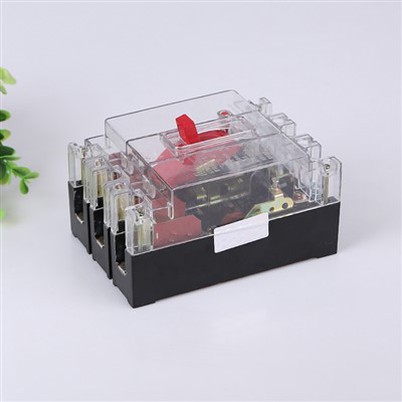

How to set the over - voltage protection in a Model Case Circuit Breaker?
Leave a message

As a provider of Model Case Circuit Breakers, I understand the critical importance of over - voltage protection in electrical systems. Over - voltage can cause significant damage to electrical equipment, disrupt operations, and even pose safety risks. In this blog, I will share how to set the over - voltage protection in a Model Case Circuit Breaker, providing you with a comprehensive guide to ensure the safety and reliability of your electrical systems.
Understanding Over - Voltage and Its Risks
Before delving into the setting of over - voltage protection, it's essential to understand what over - voltage is and the potential risks it brings. Over - voltage occurs when the voltage in an electrical circuit exceeds the rated voltage of the equipment. This can be caused by various factors, such as lightning strikes, power grid fluctuations, or the sudden disconnection of large loads.
The consequences of over - voltage can be severe. It can lead to insulation breakdown, component failure, and even fire in extreme cases. For industrial and commercial applications, over - voltage can result in costly downtime, equipment replacement, and potential safety hazards for personnel. Therefore, implementing effective over - voltage protection is crucial for any electrical system.
Components of Over - Voltage Protection in Model Case Circuit Breakers
Model Case Circuit Breakers are designed to protect electrical circuits from over - current, short - circuit, and over - voltage. The over - voltage protection function in these breakers typically consists of the following components:


- Voltage Sensors: These sensors continuously monitor the voltage in the circuit. They are calibrated to detect when the voltage exceeds a pre - set threshold.
- Control Unit: Once the voltage sensors detect an over - voltage condition, the control unit processes the information and sends a signal to the trip mechanism.
- Trip Mechanism: The trip mechanism is responsible for opening the circuit breaker contacts when an over - voltage event is detected. This interrupts the flow of current and protects the electrical equipment downstream.
Steps to Set Over - Voltage Protection in a Model Case Circuit Breaker
Step 1: Determine the Rated Voltage of the Circuit
The first step in setting over - voltage protection is to determine the rated voltage of the electrical circuit. This information is usually available on the equipment nameplate or in the electrical system documentation. The rated voltage is the normal operating voltage of the circuit, and the over - voltage protection setting should be based on this value.
Step 2: Select the Appropriate Over - Voltage Setting
The over - voltage setting is the threshold at which the circuit breaker will trip. It is typically expressed as a percentage of the rated voltage. For example, if the rated voltage of the circuit is 400V, and you set the over - voltage protection at 110% of the rated voltage, the circuit breaker will trip when the voltage reaches 440V.
The selection of the over - voltage setting depends on several factors, including the sensitivity of the electrical equipment, the stability of the power supply, and the potential consequences of over - voltage. In general, a lower over - voltage setting provides better protection but may also result in more frequent tripping.
Step 3: Adjust the Over - Voltage Protection Setting
Most Model Case Circuit Breakers allow for the adjustment of the over - voltage protection setting. This can usually be done using a dial or a digital interface on the breaker. To adjust the setting, follow these steps:
- Locate the over - voltage adjustment control on the circuit breaker.
- Use a screwdriver or other appropriate tool to turn the dial or enter the desired setting on the digital interface.
- Refer to the circuit breaker's user manual for the specific instructions on how to adjust the over - voltage setting.
Step 4: Test the Over - Voltage Protection
After adjusting the over - voltage protection setting, it is important to test the circuit breaker to ensure that it functions correctly. This can be done using a voltage source that can simulate an over - voltage condition.
- Connect the voltage source to the circuit breaker.
- Gradually increase the voltage until it reaches the over - voltage setting.
- The circuit breaker should trip when the over - voltage threshold is reached. If the breaker does not trip, there may be a problem with the setting or the breaker itself.
Considerations for Over - Voltage Protection Setting
Equipment Sensitivity
Different electrical equipment has different sensitivities to over - voltage. Some equipment, such as electronic devices, may be more sensitive and require a lower over - voltage setting. On the other hand, industrial motors and other heavy - duty equipment may be more tolerant of over - voltage and can have a higher setting.
Power Grid Stability
The stability of the power grid can also affect the over - voltage protection setting. In areas with a stable power grid, a slightly higher over - voltage setting may be acceptable. However, in areas with frequent power fluctuations or a high risk of lightning strikes, a lower setting may be necessary.
System Requirements
The overall requirements of the electrical system should also be considered when setting the over - voltage protection. For example, in a critical system where downtime is not acceptable, a more conservative over - voltage setting may be required to prevent damage to the equipment.
The Role of Model Case Circuit Breakers in Over - Voltage Protection
Model Case Circuit Breakers play a vital role in over - voltage protection. They are designed to quickly detect and respond to over - voltage conditions, protecting the electrical system and the connected equipment.
Our Model Case Circuit Breaker products are equipped with advanced over - voltage protection features. They offer precise voltage sensing and reliable trip mechanisms, ensuring that your electrical system is well - protected. Additionally, our breakers are designed for easy installation and adjustment, allowing you to customize the over - voltage protection setting according to your specific needs.
Contact Us for More Information
If you are interested in our Model Case Circuit Breaker products or need more information on over - voltage protection, please feel free to contact us. Our team of experts is ready to provide you with professional advice and support. We can help you select the right circuit breaker for your application and assist you in setting up the over - voltage protection.
References
- Electrical Installation Guide, International Electrotechnical Commission (IEC)
- Handbook of Electrical Safety, National Fire Protection Association (NFPA)
- Circuit Breaker Technology, IEEE Power and Energy Society