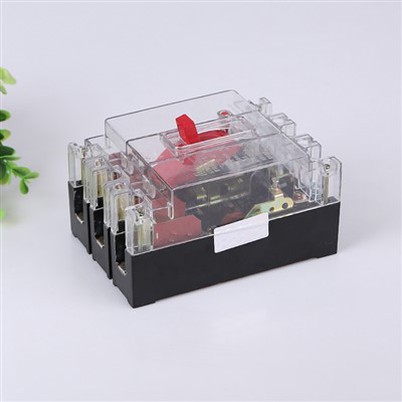

How to replace a faulty DC RCCB?
Leave a message

Replacing a faulty DC RCCB (Direct Current Residual Current Circuit Breaker) is a task that requires careful attention to safety and technical details. As a DC RCCB supplier, I understand the importance of providing clear guidance on this process. In this blog, I will walk you through the steps to replace a faulty DC RCCB, ensuring that you can carry out the replacement safely and effectively.


Understanding DC RCCBs
Before we delve into the replacement process, let's briefly understand what a DC RCCB is and why it is crucial. A DC RCCB is a safety device designed to protect electrical circuits from leakage currents in direct current systems. It continuously monitors the current flowing in the circuit and trips the breaker if it detects an imbalance, which could indicate a leakage to the ground. This helps prevent electrical shocks, fires, and other hazards associated with electrical faults.
There are different types of circuit breakers available in the market, such as Miniature Current Circuit Breaker and Residual Circuit Breaker with Overload. However, DC RCCBs are specifically designed for DC applications and offer enhanced protection in these systems. You can learn more about DC RCCBs on our website DC RCCB.
Preparing for the Replacement
- Safety First: Safety should always be your top priority when working with electrical systems. Before you start the replacement process, make sure to turn off the power supply to the circuit where the DC RCCB is installed. This will prevent any electrical shocks or short circuits during the replacement.
- Gather the Necessary Tools: You will need a few tools to carry out the replacement, including a screwdriver, pliers, and a voltage tester. Make sure these tools are in good condition and suitable for the task.
- Identify the Faulty DC RCCB: Locate the faulty DC RCCB in the electrical panel. It may be labeled or have a visible sign of damage, such as a tripped breaker or a burned-out component.
- Select the Right Replacement: Choose a replacement DC RCCB that is compatible with your electrical system. Consider factors such as the rated current, voltage, and trip characteristics of the original DC RCCB. You can consult the manufacturer's specifications or seek advice from a professional electrician.
Replacing the Faulty DC RCCB
- Remove the Cover: Use a screwdriver to remove the cover of the electrical panel. This will give you access to the DC RCCB and the electrical connections.
- Disconnect the Wires: Carefully disconnect the wires from the faulty DC RCCB. Make sure to note the position and color of each wire so that you can reconnect them correctly later. Use pliers to loosen the terminal screws and gently pull the wires out.
- Remove the Faulty DC RCCB: Once the wires are disconnected, remove the faulty DC RCCB from the panel. It may be held in place by screws or clips. Use a screwdriver or pliers to remove these fasteners and take out the DC RCCB.
- Install the New DC RCCB: Place the new DC RCCB in the same position as the old one. Make sure it is securely fastened to the panel using the screws or clips.
- Reconnect the Wires: Reconnect the wires to the new DC RCCB in the same order and position as they were on the old one. Tighten the terminal screws to ensure a secure connection.
- Test the Circuit: After reconnecting the wires, use a voltage tester to check if the circuit is live. If the voltage tester indicates that the circuit is live, turn on the power supply to the circuit and test the new DC RCCB. Press the test button on the DC RCCB to ensure that it trips correctly.
Post-Replacement Checks
- Inspect the Connections: Once the replacement is complete, inspect the connections to make sure they are secure and free from any damage. Check for any loose wires or signs of overheating.
- Check the Operation: Test the DC RCCB again to ensure that it is functioning properly. Press the test button several times to verify that the breaker trips each time.
- Monitor the System: Keep an eye on the electrical system for a few days after the replacement to ensure that there are no further issues. If you notice any unusual behavior or problems, contact a professional electrician immediately.
Contact Us for DC RCCB Procurement
If you are in need of high-quality DC RCCBs for your electrical systems, we are here to help. As a leading DC RCCB supplier, we offer a wide range of products that are designed to meet the highest standards of safety and performance. Our experienced team can provide you with expert advice and support to help you choose the right DC RCCB for your specific needs.
To learn more about our DC RCCB products and to discuss your procurement requirements, please visit our website DC RCCB. We look forward to hearing from you and working with you to ensure the safety and reliability of your electrical systems.
References
- Electrical Safety Standards and Guidelines
- Manufacturer's Manuals for DC RCCBs
- Professional Electrician Advice and Recommendations