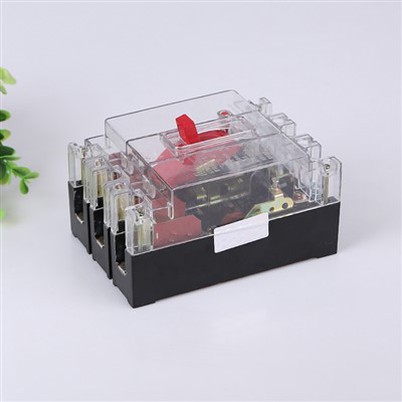

What are the safety features of a Molded Case CB?
Leave a message

As a supplier of Molded Case Circuit Breakers (MCCBs), I am often asked about the safety features of these essential electrical devices. MCCBs are widely used in various electrical systems to protect circuits from overcurrent, short - circuit, and other electrical faults. In this blog, I will delve into the key safety features of a Molded Case CB and explain why they are crucial for ensuring the safety and reliability of electrical installations.
Overcurrent Protection
One of the primary safety features of a Molded Case CB is its ability to provide overcurrent protection. Overcurrent occurs when the current flowing through a circuit exceeds its rated capacity. This can be caused by a variety of factors, such as a short - circuit, an overload, or a ground fault.
MCCBs are equipped with thermal and magnetic trip units to detect and respond to overcurrent conditions. The thermal trip unit is designed to respond to long - term overcurrents. It consists of a bimetallic strip that bends when heated by the current flowing through it. As the current increases, the bimetallic strip bends more, eventually tripping the breaker and interrupting the circuit. This feature protects the circuit from damage caused by sustained overheating, which can lead to insulation breakdown and fire hazards.
The magnetic trip unit, on the other hand, is designed to respond to short - circuit currents. When a short - circuit occurs, the current in the circuit increases rapidly. The magnetic field generated by the high - current flow activates the magnetic trip unit, which quickly trips the breaker. This fast - acting response helps to prevent damage to the electrical equipment and reduces the risk of electrical fires.
Short - Circuit Protection
Short - circuits are one of the most dangerous electrical faults. They occur when a low - resistance path is created between two conductors, causing a large amount of current to flow. Molded Case CBs are specifically designed to handle short - circuit currents and protect the electrical system.
The short - circuit rating of an MCCB is an important parameter that indicates its ability to safely interrupt a short - circuit current. A higher short - circuit rating means that the breaker can handle larger short - circuit currents without being damaged. When a short - circuit occurs, the MCCB's magnetic trip unit quickly detects the high - current flow and trips the breaker, isolating the faulted circuit from the rest of the electrical system.
This rapid interruption of the short - circuit current helps to prevent damage to the electrical equipment, such as transformers, motors, and cables. It also reduces the risk of electrical arcing, which can cause burns, fires, and explosions.
Ground Fault Protection
Ground faults occur when an electrical current flows through an unintended path to the ground. This can be caused by damaged insulation, faulty equipment, or improper wiring. Ground faults can pose a serious safety risk, as they can cause electric shock and electrical fires.
Some Molded Case CBs are equipped with ground fault protection devices. These devices monitor the current flowing in the circuit and detect any imbalance between the live and neutral conductors. If a ground fault is detected, the ground fault protection device trips the breaker, interrupting the circuit and preventing further current flow to the ground.
Ground fault protection is particularly important in applications where people are likely to come into contact with electrical equipment, such as in residential, commercial, and industrial settings. It provides an additional layer of safety and helps to protect against electric shock hazards.
Arc Fault Protection
Arc faults are another type of electrical fault that can be extremely dangerous. They occur when an electrical arc is formed between two conductors, which can generate high temperatures and cause fires. Arc faults can be caused by damaged wiring, loose connections, or faulty electrical equipment.
Some advanced Molded Case CBs are equipped with arc fault protection technology. These breakers are designed to detect the unique electrical signatures of arc faults and trip the breaker when an arc fault is detected. Arc fault protection helps to prevent electrical fires by quickly interrupting the circuit and eliminating the source of the arc.
Thermal and Mechanical Durability
Molded Case CBs are designed to withstand the harsh conditions of electrical systems. They are built with high - quality materials that provide thermal and mechanical durability.
The molded case of the breaker is made of a strong and heat - resistant material, such as plastic or fiberglass. This case protects the internal components of the breaker from environmental factors, such as dust, moisture, and mechanical damage. It also helps to prevent the spread of fire in case of an internal fault.
The internal components of the MCCB, such as the contacts, trip units, and operating mechanisms, are designed to be durable and reliable. They are tested to ensure that they can withstand the high - current and high - temperature conditions that occur during normal operation and fault conditions.
Selectivity
Selectivity is an important safety feature in electrical systems. It refers to the ability of a circuit breaker to trip only the faulted circuit while leaving the other circuits in the system operational. This helps to minimize the impact of a fault on the overall electrical system and ensures the continuity of power supply.
Molded Case CBs can be designed to provide selective tripping. By carefully selecting the trip settings and time - current characteristics of the breakers, it is possible to ensure that only the breaker closest to the fault will trip, while the upstream breakers remain closed. This feature is particularly important in large electrical systems, such as industrial plants and commercial buildings, where a power outage in one area can have a significant impact on the operation of the entire facility.
Remote Monitoring and Control
In modern electrical systems, remote monitoring and control of Molded Case CBs are becoming increasingly important. Many MCCBs are now equipped with communication interfaces that allow them to be connected to a monitoring and control system.
Remote monitoring enables operators to monitor the status of the breakers, such as their trip status, current levels, and temperature. This information can be used to detect potential problems before they cause a fault and to schedule maintenance activities. Remote control allows operators to remotely trip or close the breakers, which can be useful in emergency situations or for performing maintenance tasks.


Conclusion
In conclusion, Molded Case CBs are essential safety devices in electrical systems. They are equipped with a variety of safety features, including overcurrent protection, short - circuit protection, ground fault protection, arc fault protection, thermal and mechanical durability, selectivity, and remote monitoring and control. These features help to ensure the safety and reliability of electrical installations, protect against electrical hazards, and minimize the impact of faults on the overall electrical system.
If you are in the market for high - quality Molded Case CBs, I encourage you to visit our websites MCB Molded, Molded Case Circuit, and Moulded Case Breaker to learn more about our products. We are committed to providing our customers with the best - in - class products and services. Contact us today to start a discussion about your specific requirements and how we can help you meet your electrical safety needs.
References
- Electrical Safety Standards and Codes (National Electrical Code, IEC Standards)
- Manufacturer's Technical Documentation for Molded Case Circuit Breakers