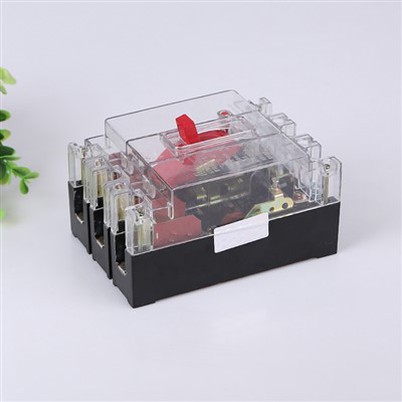

Where should an External RCCB be installed?
Leave a message

Hey there! As a supplier of External RCCBs (Residual Current Circuit Breakers), I often get asked where these nifty devices should be installed. Well, let's dive right into it and figure out the best spots for these essential safety gadgets.
First off, let's understand what an External RCCB does. It's a crucial safety device that protects against electrical leakage and can prevent electrical shocks and fires. So, getting its installation right is super important.
In Residential Buildings
In a home, the most common place to install an External RCCB is in the main electrical distribution board. This is usually located in a utility room, basement, or a dedicated electrical cabinet. The main distribution board is the heart of your home's electrical system, and having an RCCB here provides overall protection for all the circuits in your house.
Why is it so important to have it at the main board? Well, it acts as a first line of defense. If there's any electrical leakage in any part of your home's wiring, the RCCB will trip and cut off the power, preventing any potential harm. For example, if there's a short circuit in your living room lights or a faulty appliance in the kitchen, the RCCB at the main board will detect the leakage and shut down the power.
Another place where you might want to consider installing an External RCCB is in areas where there's a higher risk of electrical leakage. Bathrooms are a prime example. Water and electricity don't mix well, and in a bathroom, there are often electrical appliances like hair dryers, electric shavers, and heated towel rails. Installing an RCCB in the bathroom circuit can provide an extra layer of safety.
Outdoor areas of your home also need protection. If you have outdoor lighting, a garden pond with a pump, or a shed with power tools, an External RCCB should be installed in the circuit that supplies these areas. This protects against any electrical leakage that could occur due to exposure to the elements or water.
In Commercial Buildings
In commercial settings, the installation of External RCCBs is even more critical. In an office building, the main electrical distribution board is again the primary location for an RCCB. This protects all the office equipment, such as computers, printers, and servers. A power surge or electrical leakage could not only damage the equipment but also pose a safety risk to the employees.
In a factory or industrial setting, the situation gets a bit more complex. There are often multiple electrical circuits, each serving different machines and equipment. In this case, it's a good idea to install RCCBs at various points in the electrical system. For example, each machine or group of machines can have its own RCCB. This way, if there's a problem with one machine, only that particular circuit will be affected, and the rest of the operation can continue.
Restaurants and cafes also need proper RCCB installation. Kitchens in these establishments are full of electrical appliances like ovens, refrigerators, and dishwashers. Installing an RCCB in the kitchen circuit can prevent electrical fires and protect the staff from electrical shocks.
Factors to Consider
When deciding where to install an External RCCB, there are a few factors you need to keep in mind. First, the location should be easily accessible for maintenance and testing. You don't want to have to crawl through a tight space or remove a bunch of stuff just to check if the RCCB is working properly.
The environment is also important. If the installation area is prone to moisture, dust, or extreme temperatures, you need to choose an RCCB that can withstand these conditions. For example, in a basement that tends to be damp, you'll need an RCCB with good moisture resistance.
The electrical load is another factor. You need to make sure that the RCCB you choose can handle the electrical current of the circuit it's protecting. If you install an RCCB with a lower rating than the circuit requires, it may trip frequently, causing unnecessary disruptions.
Different Types of RCCBs
There are different types of RCCBs available, and the type you choose can also affect the installation location. For example, a Residual Current Breaker with Overload Protection not only protects against electrical leakage but also against overloading. This type of RCCB is often installed in circuits where there's a high demand for electricity, such as in a workshop with power tools.
A Leakage Current Circuit Breaker is specifically designed to detect and protect against electrical leakage. It's a good choice for areas where the main concern is preventing electrical shocks, like in bathrooms or outdoor areas.
A Miniature Current Circuit Breaker is a compact option that can be used in smaller electrical systems or for protecting individual appliances. It's often installed in the distribution board or near the appliance itself.
Conclusion
So, to sum it up, the installation of an External RCCB depends on the type of building (residential or commercial), the specific areas within the building, and the electrical load. In general, the main electrical distribution board is a good starting point, but you may also need to install RCCBs in specific circuits or areas with a higher risk of electrical leakage.
If you're looking for high - quality External RCCBs for your home or business, we're here to help. Our RCCBs are reliable, easy to install, and meet all the necessary safety standards. Whether you're a homeowner, a business owner, or an electrician, we can provide you with the right RCCB for your needs. If you have any questions or want to discuss your specific requirements, don't hesitate to reach out. We'd love to have a chat and help you find the perfect solution for your electrical safety needs.


References
- Electrical Safety Regulations Handbook
- Guide to Residential Electrical Systems
- Commercial Electrical Installation Best Practices