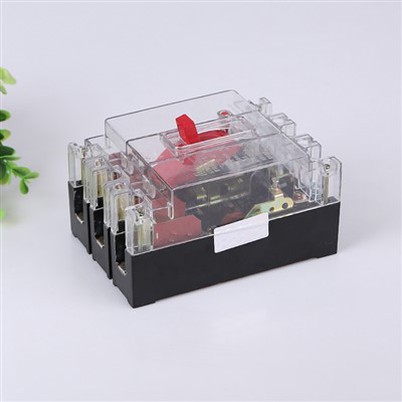

What is the difference between an RCBO Residual Circuit Breaker and a surge protector?
Leave a message

Hey there! As a supplier of RCBO Residual Circuit Breakers, I often get asked about the difference between an RCBO Residual Circuit Breaker and a surge protector. It's a great question, and I'm here to break it down for you in a way that's easy to understand.
Let's start with the basics. An RCBO Residual Circuit Breaker, or Residual Current Circuit Breaker with Overcurrent protection, is a device that combines the functions of a residual current device (RCD) and a circuit breaker. It's designed to protect against electrical faults such as earth leakage and overcurrent. When an electrical fault occurs, the RCBO will trip and cut off the power to the circuit, preventing potential electrical hazards like electric shocks and fires.
On the other hand, a surge protector is a device that protects electrical equipment from voltage spikes or surges. These surges can be caused by lightning strikes, power outages, or the switching on and off of large electrical appliances. A surge protector diverts the excess voltage to the ground, preventing it from reaching and damaging your electrical devices.
Now, let's dive deeper into the differences between the two.
Functionality
The primary function of an RCBO Residual Circuit Breaker is to protect against electrical faults. It monitors the current flowing through the circuit and trips when it detects an imbalance between the live and neutral conductors, which could indicate an earth leakage. It also protects against overcurrent, which can occur when too much current flows through the circuit, potentially causing overheating and damage to the wiring.
A surge protector, on the other hand, is focused on protecting your electrical equipment from voltage surges. It doesn't protect against earth leakage or overcurrent. Its main job is to absorb and divert the excess voltage caused by a surge, ensuring that your devices receive a stable and safe level of voltage.
Installation
RCBO Residual Circuit Breakers are typically installed in the main electrical panel of a building. They are connected to the circuit and act as a protective device for the entire circuit. When an electrical fault occurs, the RCBO trips and disconnects the circuit, preventing further damage.
Surge protectors, on the other hand, are usually installed at the point of use. They can be plugged into an electrical outlet, and your electrical devices are then plugged into the surge protector. This way, they provide protection directly to the connected devices.
Protection Scope
An RCBO Residual Circuit Breaker provides protection for the entire circuit. It protects against electrical faults that could occur anywhere in the circuit, from the wiring to the electrical appliances connected to it.
A surge protector, however, only protects the electrical devices that are connected to it. It doesn't provide protection for the entire circuit or other devices that are not connected to it.


Sensitivity
RCBO Residual Circuit Breakers are highly sensitive to electrical faults. They can detect even small imbalances in the current, which could indicate an earth leakage. This high sensitivity allows them to quickly trip and cut off the power when a fault occurs, providing a high level of protection.
Surge protectors, on the other hand, are designed to respond to voltage surges. They have a specific voltage threshold at which they start to divert the excess voltage. If the voltage surge is below this threshold, the surge protector may not respond.
Cost
In general, RCBO Residual Circuit Breakers are more expensive than surge protectors. This is because they are more complex devices that provide multiple functions, including protection against earth leakage and overcurrent.
Surge protectors, on the other hand, are relatively inexpensive and are available in a wide range of prices, depending on their features and capacity.
When to Use Each
If you're looking for protection against electrical faults such as earth leakage and overcurrent, an RCBO Residual Circuit Breaker is the way to go. It provides comprehensive protection for your electrical system and is essential for ensuring the safety of your home or business. You can check out RCBO Residual Circuit Breaker for more information on our products.
If you're concerned about protecting your electrical devices from voltage surges, a surge protector is a must-have. It's a simple and cost-effective way to safeguard your valuable electronics, such as computers, TVs, and appliances.
In some cases, it may be necessary to use both an RCBO Residual Circuit Breaker and a surge protector. For example, in a domestic setting, you can install an RCBO in the main electrical panel to protect the entire circuit, and then use surge protectors at the point of use to protect your individual devices. You can explore RCBO Type for Domestic to find the right RCBO for your home.
Conclusion
In conclusion, an RCBO Residual Circuit Breaker and a surge protector serve different but equally important functions. An RCBO provides protection against electrical faults, while a surge protector protects against voltage surges. Depending on your needs, you may need to use one or both of these devices to ensure the safety and protection of your electrical system and devices.
If you're interested in purchasing an RCBO Residual Circuit Breaker, or if you have any questions about our products, feel free to reach out. We're here to help you find the right solution for your electrical protection needs. You can also check out RCBO Main Breaker for more options.
References
- Electrical Safety Foundation International. (n.d.). Understanding Electrical Safety Devices.
- National Electrical Code. (n.d.). Electrical Protection Devices.